

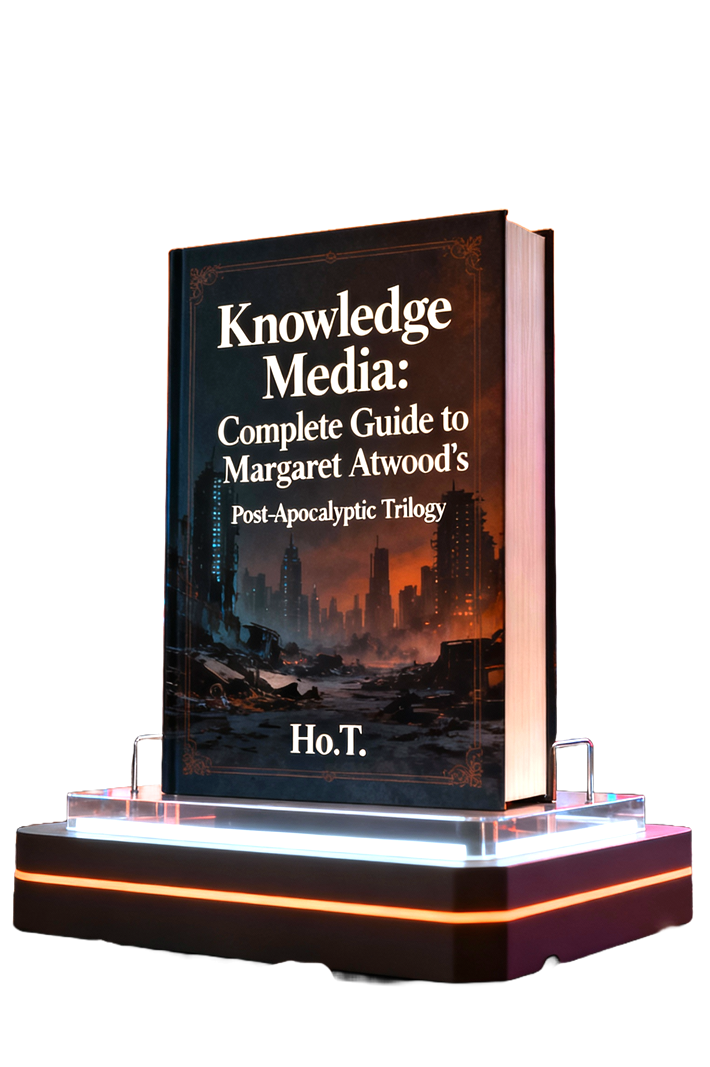
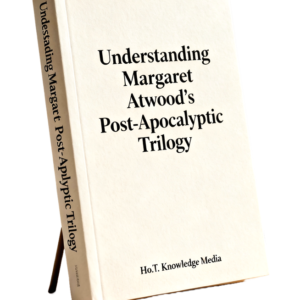
Complete Guide to Margaret Atwood’s Post-Apocalyptic Trilogy Character Analysis and Major Themes
Price range: $1.00 through $3.99
A clear, well-structured guide to Margaret Atwood’s MaddAddam (Macadam) trilogy—covering themes, character analysis, moral complexity, and social commentary to help you read deeper and understand more.
A Deep Dive into Atwood’s Macadam Trilogy
Delve into Margaret Atwood’s gripping post-apocalyptic trilogy and uncover the profound themes and complex characters that define her dystopian world. This comprehensive guide provides an in-depth analysis of Oryx and Crake, The Year of the Flood, and Macadam, offering readers a deeper understanding of Atwood’s vision and its relevance to contemporary society. Perhaps most enduring is Atwood’s contribution to environmental consciousness. Her depiction of a future ravaged by corporate greed and ecological neglect acts as an urgent call to action for modern society.
Character Analysis and Moral Complexity
Explore the intricate relationships and moral dilemmas faced by the characters in Atwood’s trilogy. From the genetically engineered Crake to the resilient survivors of the Waterless Flood, each character embodies different aspects of humanity’s capacity for both good and evil. This analysis examines their motivations, struggles, and ultimate fates, shedding light on the ethical quandaries at the heart of Atwood’s narrative. The trilogy’s vivid portrayal of ecological devastation, coupled with stories of survival and rebirth, underscores a critical message: the future is malleable, and the stories we tell about it shape perception and action.
Themes of Environmentalism and Social Commentary
Unpack the major themes that permeate Atwood’s post-apocalyptic world, including environmental degradation, technological hubris, and social inequality. Atwood’s trilogy serves as a powerful critique of contemporary society, urging readers to confront uncomfortable truths about our relationship with the natural world and the consequences of unchecked corporate power. In sum, Margaret Atwood’s Macadam trilogy has profoundly impacted dystopian literature by expanding its thematic scope and deepening its moral complexity. It challenges audiences to confront uncomfortable truths while inspiring hope and resilience. Its legacy resides in its capacity to shape conversations about our collective future—prompting reflection on who we are, what we value, and how stories forge the path forward.
| E-Book | Lifetime access, Rent 24 days |
|---|
1 review for Complete Guide to Margaret Atwood’s Post-Apocalyptic Trilogy Character Analysis and Major Themes
Add a review
You must be logged in to post a review.
Related products

Zelbook –
Make the page intent crystal clear: this is a guide/analysis, not the original novels—add that note near the top to reduce refunds and improve trust.