

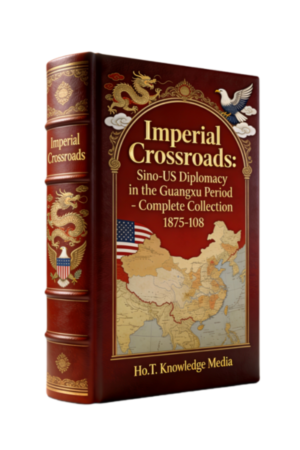
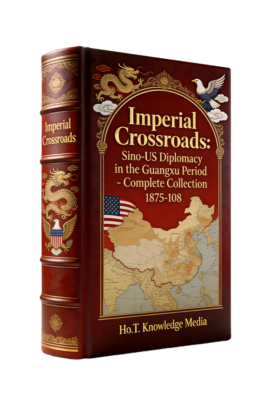
Imperial Crossroads: Sino-US Diplomacy in the Guangxu Period – Complete Collection
Price range: $1.00 through $9.99
A complete historical collection on Sino–US diplomacy during the Guangxu era (1875–1908), covering key policies, power struggles, and turning points that shaped modern China–America relations.
The Dawn of Modern Sino-American Relations
Delve into one of the most transformative eras in Chinese history with the “Imperial Crossroads: Sino-US Diplomacy in the Guangxu Period – Complete Collection.” This meticulously curated set explores the diplomatic, economic, and geopolitical currents that defined Sino-American relations during the Guangxu reign (1875–1908). If you’re intrigued by East Asia’s history and the evolution of its global relations, this collection provides unparalleled insights.
Understanding the Guangxu Period (1875-1908)
The Guangxu period symbolizes China’s complex journey from a deeply traditional empire to the cusp of modernization. Ascending the throne at just four years old, Emperor Guangxu coexisted with the political dominance of Empress Dowager Cixi. This era stands as a turning point, encompassing China’s diplomatic struggles, its battle to maintain sovereignty under mounting foreign pressures, and its attempts at reform, such as the Hundred Days’ Reform of 1898.
This collection dissects the societal, economic, and political transformations during the Guangxu period, providing an enriching context to appreciate the twilight years of the Qing dynasty and its eventual historical trajectory.
Sino-US Diplomacy: A Unique Relationship
Unlike European imperialists and Japan, the United States fostered a more diplomatic approach to its relationship with China during the Guangxu period. As formal diplomatic ties matured, the Open Door Policy of 1899 emerged as a key statement of mutual cooperation. By promoting trade while seeking to preserve China’s territorial integrity, this policy provided rare leverage amidst the aggressive imperial encroachments from other nations.
This collection uncovers the nuanced interplay between American commerce and Chinese diplomacy, highlighting how these relationships shaped economic ties and cultural exchanges.
The Geopolitical Chessboard of East Asia
The late 19th-century world was replete with seismic geopolitical shifts that transformed the East Asian landscape. As China reeled from devastating defeats, such as the Opium Wars and the Sino-Japanese War, foreign powers scrambled to carve out their influence. This complete collection examines the roles played by colonial influencers like Britain, France, Germany, and Japan, alongside America’s evolving presence in the region.
Through compelling documentation and profound historical analysis, this collection illustrates how the United States emerged as an important, albeit late, actor in East Asia’s imperial chessboard. These volumes provide readers with a holistic perspective on an era that set the stage for modern Chinese diplomacy.
Whether you’re a seasoned historian or a curious enthusiast, “Imperial Crossroads: Sino-US Diplomacy in the Guangxu Period – Complete Collection” is your gateway to understanding how China’s epic history intertwined with bilateral diplomacy during a deeply tumultuous period. This is an essential addition to any library focused on East Asian studies, diplomacy, and historical transitions.
| E-Book | Lifetime access, Rent 24 days |
|---|
1 review for Imperial Crossroads: Sino-US Diplomacy in the Guangxu Period – Complete Collection
Add a review
You must be logged in to post a review.
Related products
Zelbook –
This complete collection explores the foundations of modern Sino-American relations through the diplomacy, trade pressures, and geopolitical shifts of the Guangxu era. Written for readers of Qing dynasty history and international relations, it connects major events to the real diplomatic choices that shaped China–US engagement. Ideal for history enthusiasts, researchers, and anyone studying East Asia’s transformation in the late 19th and early 20th centuries.