

Debunking Pseudo psychology Evidence‑Based Thinking Guide
Price range: $1.00 through $7.99
Cut through psychology myths with an evidence-based framework for clearer thinking. Discover practical tools to evaluate claims, avoid common reasoning traps, and make smarter decisions in work, school, and daily life.
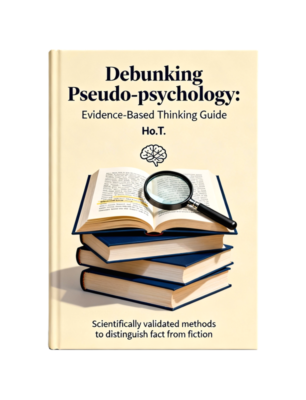
In a world inundated with myths about how the human mind works, decision-making has never been more challenging. Debunking Pseudo Psychology: Evidence-Based Thinking Guide is a transformative resource that equips readers with the tools they need to separate fact from fiction. Whether you’re a student seeking effective study strategies, a professional making high-stakes decisions, or a parent navigating advice overload, this guide delivers the clarity required to make informed, science-grounded choices.
Break Free from Psychological Myths
Every day, countless people unknowingly rely on psychological myths when making life-altering decisions. A struggling student abandons credible study habits for mythical “learning styles.” Parents invest thousands in unproven brain-training programs with no real benefit to their child’s cognitive growth. Managers rely on invalid personality tests with implications for careers and livelihoods. These scenarios are not exceptions but rather part of a far-reaching crisis where pseudoscience overshadows genuine research, driving misconceptions and financial exploitation.
With this guide, you’ll discover why these myths persist and how they have infiltrated mainstream thought. From debunking the century-old claim that we only use 10% of our brains to exposing the limitations of viral psychological “facts,” this book arms readers with the understanding they need to steer clear of persuasive yet baseless claims.
Navigate the Age of Misinformation
The rise of social media and self-help influencers has created an ecosystem where misinformation about psychology spreads faster than ever before. Eye-catching headlines and viral posts frequently push pseudoscientific ideas into public consciousness, making peer-reviewed research less accessible to the average reader. This situation is exacerbated by a wellness industry profiting from half-truths and oversimplified solutions to complex issues.
Debunking Pseudo Psychology highlights how these trends are reshaping society and how you can develop critical thinking skills to resist them. By understanding how to evaluate claims, spot scientific inaccuracies, and prioritize evidence-based insights, you’ll become empowered to make smarter, more rational choices.
An Essential Resource for Critical Thinkers
This book isn’t just a tool for psychologists; it’s for anyone seeking to better understand themselves and the world around them. Whether you’re addressing your personal struggles, guiding a child’s development, or making important professional decisions, this guide offers actionable strategies for cutting through the noise of misinformation.
Why does this matter? Because the ability to distinguish credible science from pseudoscientific fluff is no longer optional—it’s essential. Psychological myths don’t just cost money; they cost time, trust, and sometimes even lives. By reading Debunking Pseudo Psychology, you’ll gain the skills to ensure your decisions are grounded in reality.
Don’t be misled by myths pretending to be science. Elevate your understanding and transform your decision-making with Debunking Pseudo Psychology: Evidence-Based Thinking Guide.
| E-Book | Lifetime access, Rent 24 days |
|---|
1 review for Debunking Pseudo psychology Evidence‑Based Thinking Guide
Add a review
You must be logged in to post a review.
Related products
Zelbook –
Debunking Pseudo-psychology is an evidence-based thinking guide that helps readers separate credible psychology from popular myths. Learn how to evaluate claims, recognize misleading “too good to be true” advice, and build a practical, science-grounded mindset for everyday decisions.