

Physical education plays a transformative role in modern education by bridging the gap between academic success and physical wellness. In today’s increasingly sedentary world, where children and young adults spend more time in front of screens than ever before, a robust physical education program becomes an invaluable tool. This comprehensive guide is designed to empower educators with evidence-based strategies, actionable methodologies, and practically applicable frameworks to revolutionize their approach to teaching physical education.
Transforming Education Through Physical Wellness
Gone are the days when physical education was limited to running laps or doing jumping jacks. Today’s PE programs have evolved into holistic systems that target cognitive growth, emotional well-being, and physical fitness all at once. Research consistently points to the direct benefits of structured physical activity, including improved memory, sharper focus, and stronger problem-solving abilities across academic disciplines. These activities don’t just build physical stamina but also develop essential life skills such as teamwork, resilience, and leadership.
Furthermore, physical education fosters a well-rounded personal growth experience. Through team sports, group challenges, and strategic games, students learn cooperation, empathy, and patience. These skills contribute significantly to both their academic performance and interpersonal relationships. By creating environments where students thrive physically and mentally, educators can prepare them for long-term success both inside and outside the classroom.
Addressing Modern Challenges in Physical Education
With the rise of public health concerns such as childhood obesity and increased screen time, comprehensive physical education programs are more important than ever. Many students lack access to regular exercise outside school, making PE classes their primary source of physical activity. These programs not only help students stay active but also educate them on essential health topics such as nutrition, exercise physiology, and lifelong wellness habits. This knowledge becomes a critical foundation for making informed lifestyle choices as they grow.
Incorporating contemporary teaching methodologies such as goal-setting, self-assessment, and personalized skill development ensures that every student, irrespective of their skill level, feels included and capable. By introducing variety — from yoga to strength training to mindfulness exercises — educators can cater to the diverse needs of their students, ensuring their physical and emotional growth remains a core focus.
Empowering Educators with Evidence-Based Strategies
This guide equips educators with actionable advice and frameworks to reimagine physical education. Strategies like integrating technology (e.g., fitness trackers, apps), organizing inclusive team activities, and addressing individual student needs ensure that PE becomes a dynamic and engaging subject. Additionally, practical lesson planning tips can streamline execution while maintaining the program’s effectiveness.
Studies confirm the profound impact of physical education on overall student development, emphasizing the need for innovative strategies to keep up with changing lifestyles. Designing programs that intertwine fitness with cognitive engagement and creativity will not only improve students’ academic performance but also inspire lifelong habits of wellness and self-care.
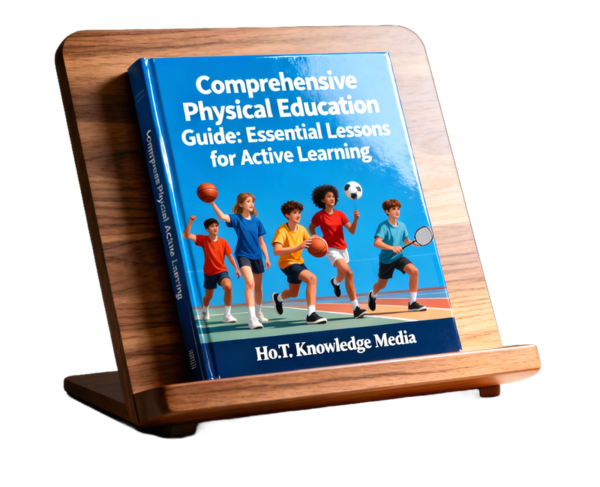
The Comprehensive Physical Education Guide serves as an essential resource for forward-thinking educators. Whether you’re just starting your teaching journey or looking to revitalize your current curriculum, this guide provides all the tools you need to foster active, confident, and healthy learners. It’s time to transform how we approach physical education and equip future generations with the skills they need to thrive in every aspect of life.
| E-Book | Lifetime access, Rent 24 days |
|---|
1 review for Comprehensive Physical Education Guide Essential Lessons for Active Learning
Add a review
You must be logged in to post a review.
Related products
Zelbook –
A practical, evidence-informed Physical Education guide designed to help teachers build active-learning lessons that improve student engagement, fitness, and confidence. Clear frameworks, classroom-ready strategies, and measurable outcomes make it ideal for busy educators who want results without complicated planning.